Spring Plumbing Inspection Checklist: What Every San Diego Homeowner Needs to Know
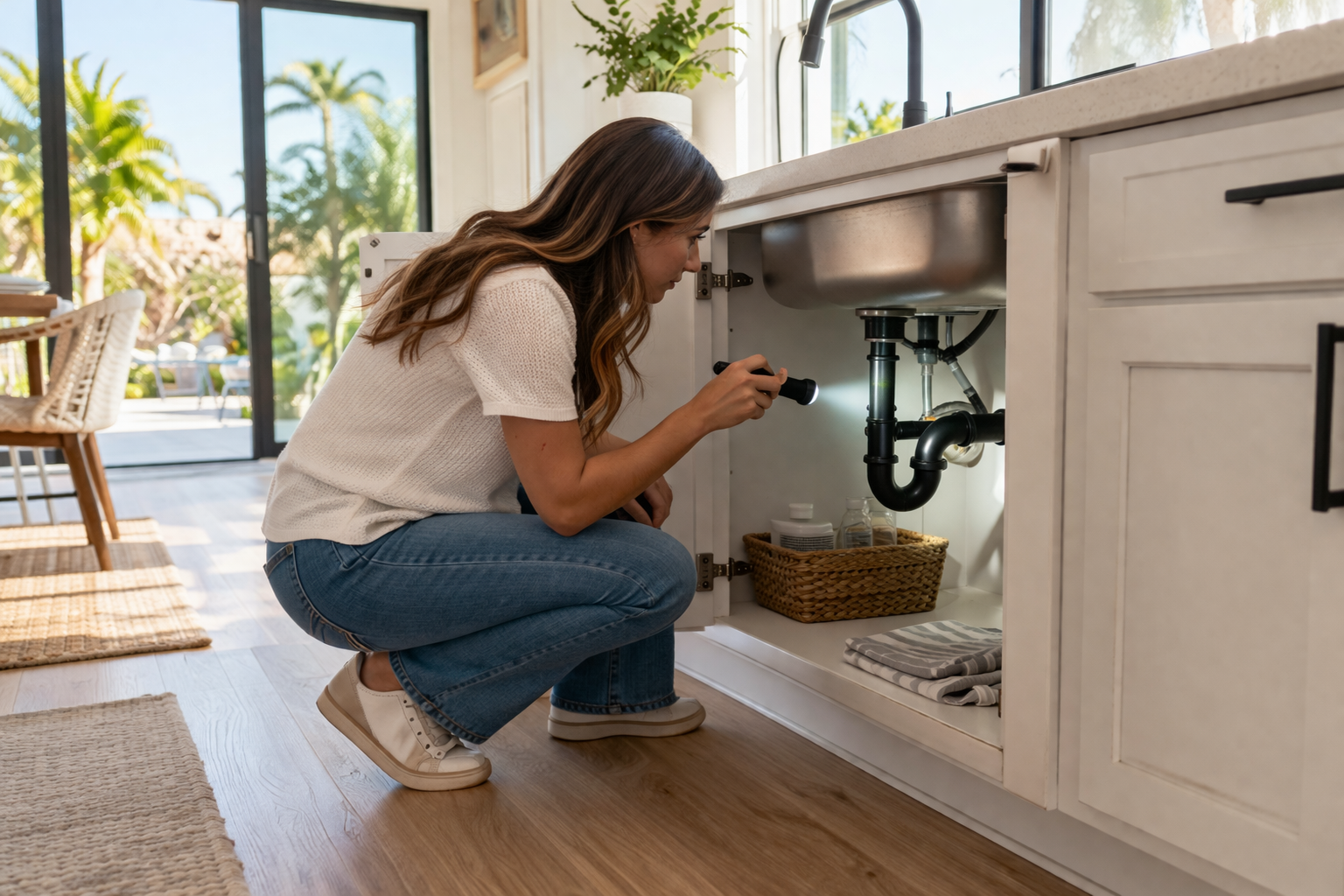
Spring is the ideal time to give your plumbing system a thorough checkup. In North County San Diego, the rainy season runs from November through March, and that extended period of moisture, soil movement, and heavy use can take a toll on your pipes, drains, fixtures, and water heater. A simple spring inspection helps you catch small issues before they turn into expensive emergencies.
This checklist walks you through the key areas every San Diego homeowner should review once the rainy season wraps up.
Why Spring Is the Right Time for a Plumbing Checkup
Winter and early spring put extra demand on your plumbing. Holiday gatherings increase drain usage. Cooler temperatures push water heaters harder. Seasonal rain saturates the soil around your foundation, which can shift pipes and stress joints beneath your slab.
By the time spring arrives, months of wear have accumulated. According to the EPA's WaterSense program, the average family wastes about 9,400 gallons of water per year from household leaks alone. Many of those leaks go undetected until they cause visible damage. A spring inspection is your chance to find them early.
Your Spring Plumbing Inspection Checklist
Work through each of these areas to get a clear picture of your plumbing system's condition after the wet season.
Check for Hidden Leaks
Walk through your home and look under every sink, around every toilet, and near your water heater for any signs of moisture, dripping, or water stains. Check ceilings and walls for discoloration. Then go outside and look for unusually wet or green patches near your foundation that could indicate an underground leak.
For a more precise test, turn off all water in your home and check your water meter. If the meter is still moving after two hours, you have a leak somewhere in the system.
Test Your Water Pressure
Low water pressure at multiple fixtures can signal a developing problem, from scale buildup in your pipes to a hidden leak. You can test pressure with an inexpensive gauge from any hardware store by attaching it to an outdoor spigot. Normal residential water pressure in San Diego should fall between 40 and 80 PSI. Anything above 80 PSI puts unnecessary stress on your pipes and should be addressed with a pressure regulator.
Inspect Your Water Heater
Your water heater works hard during the cooler months and deserves attention in spring. Check for any pooling water around the base of the unit, rust or corrosion on fittings, and unusual sounds like popping or rumbling during heating cycles. These noises typically indicate sediment buildup at the bottom of the tank, which reduces efficiency and shortens the unit's lifespan.
Flushing the tank to remove sediment is one of the most effective maintenance steps you can take. If your water heater is over 10 years old or showing consistent issues, it may be time to explore your options with our water heater services.
Clear Your Drains
Slow drains are easy to ignore, but they often point to buildup that will eventually cause a full blockage. Run water through every drain in your home, including showers, tubs, bathroom sinks, and kitchen sinks. If any drain is sluggish, it is worth addressing now before it becomes a backup situation.
Avoid chemical drain cleaners, which can damage pipes over time. Instead, consider scheduling a professional drain cleaning service to clear buildup safely and thoroughly.
Look at Exposed Pipes for Corrosion or Damage
Inspect any visible plumbing in your garage, under sinks, and in utility areas. Look for green or white discoloration on copper pipes, which signals corrosion. Check for damp spots, mineral deposits around joints, or any signs of wear. In older San Diego homes, this is especially important because decades of hard water exposure accelerate pipe deterioration.
Test Shut-Off Valves
Locate and test the shut-off valves at each toilet, sink, and your main water supply. Turn each one off and back on to make sure it operates smoothly. A stuck or broken shut-off valve is a minor inconvenience during an inspection, but it becomes a major problem during a plumbing emergency when you need to stop water flow immediately.
San Diego-Specific Issues to Watch For
North County San Diego homeowners face a few plumbing challenges that are less common in other parts of the country. Our extremely hard water (260 to 310 parts per million) accelerates scale buildup and pipe corrosion year round. The clay-heavy soil in many North County neighborhoods expands and contracts with seasonal moisture, which can shift foundations and stress the pipes beneath your slab.
If your home was built before the 1990s, pay extra attention to the condition of your pipes. Older copper and galvanized plumbing that has been exposed to San Diego's hard water for decades may be nearing the end of its usable life. If you notice recurring issues like pinhole leaks or discolored water, a professional inspection can determine whether a repair or repipe is the right call.
When to Call a Professional
A DIY walkthrough catches the obvious issues, but some problems require professional equipment and experience to identify. Call a licensed plumber if you find any of the following during your inspection:
Your water meter moves with all fixtures turned off. You hear running water when nothing is in use. You find unexplained moisture or mold near walls or flooring. Water pressure is consistently low or dropping. Your water heater is leaking, making unusual noises, or not heating properly. You notice cracks in your foundation or walls that were not there before.
Our team at Clearwater Plumbing and Drains uses advanced leak detection technology to locate hidden problems without tearing into your walls or floors.
Stay Ahead of Problems with Routine Maintenance
The best way to avoid expensive plumbing repairs is to catch issues early. A spring inspection takes less than an hour for the DIY portion and gives you a clear picture of where your system stands after the wet season. For anything beyond what you can see and test yourself, a professional inspection fills in the gaps.
Clearwater Plumbing and Drains serves homeowners across North County San Diego, from Oceanside and Carlsbad to Encinitas, Vista, San Marcos, and beyond.