How San Diego's Hard Water Destroys Your Plumbing (and What to Do About It)
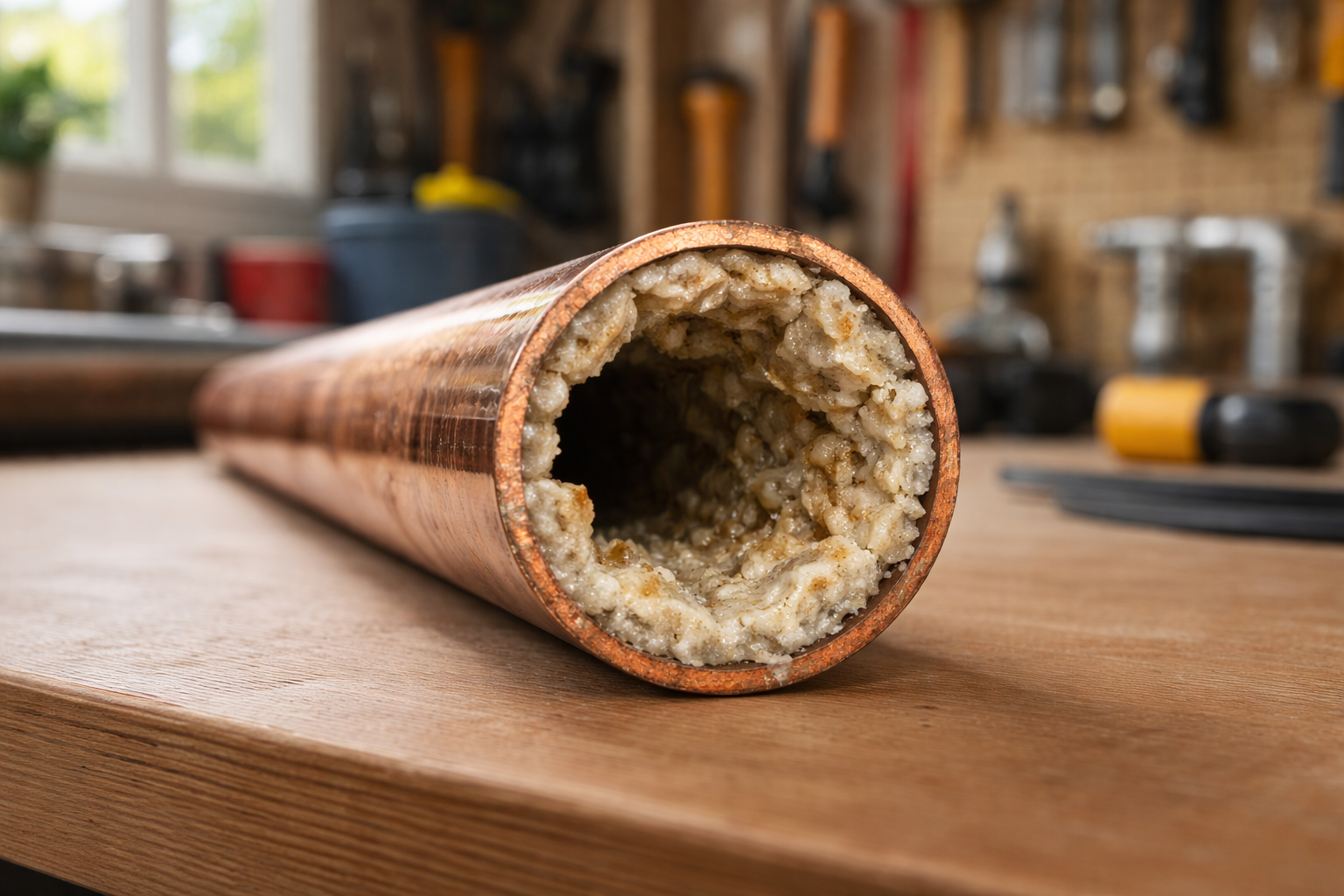
If you live in North County San Diego, your plumbing is under constant attack from something you cannot see. Hard water, loaded with dissolved calcium and magnesium, flows through every pipe, fixture, and appliance in your home every single day. Over time, it leaves behind mineral deposits that restrict water flow, corrode pipes from the inside out, and shorten the lifespan of your water heater.
The damage is gradual, which is what makes it so costly. By the time most homeowners notice the signs, hard water has already been wearing down their plumbing system for years. Here is what you need to know and what you can do about it.
What Makes Water "Hard"?
Water hardness refers to the concentration of dissolved minerals, primarily calcium and magnesium, present in your water supply. According to the U.S. Geological Survey (USGS), water containing more than 180 milligrams per liter of calcium carbonate is classified as "very hard." Hard water is not a health risk, but it creates real problems for your plumbing, fixtures, and appliances over time.
Why San Diego's Water Is Among the Hardest in the Country
San Diego's water supply comes primarily from the Colorado River and Northern California, both sources with naturally high mineral content. By the time that water reaches your tap in Oceanside, Carlsbad, Encinitas, Vista, or anywhere in North County, it typically measures between 260 and 310 parts per million. That puts it well above the USGS threshold for "very hard" and makes it some of the hardest municipal water in the United States.
This means every gallon of water flowing through your home carries a heavy load of dissolved minerals that are slowly depositing inside your plumbing system.
How Hard Water Damages Your Plumbing System
The effects of hard water are cumulative. What starts as a thin layer of mineral buildup becomes a serious plumbing problem over the course of several years.
Scale Buildup Inside Pipes
As hard water flows through your pipes, calcium and magnesium gradually deposit on the interior walls. This buildup, known as scale or limescale, narrows the diameter of your pipes over time. The result is reduced water pressure, restricted flow, and pipes that are more prone to clogs. In older homes with galvanized steel or original copper plumbing, decades of scale accumulation can reduce pipe capacity significantly.
Corrosion and Pinhole Leaks
Hard water does not just build up on pipe surfaces. The minerals also accelerate chemical reactions that corrode metal pipes from the inside. Copper pipes are especially vulnerable to this process, which creates small pits that eventually become pinhole leaks. These tiny leaks often go undetected for months because they occur inside walls or beneath your slab foundation. Left unchecked, they can lead to water damage, mold growth, and foundation issues.
Water Heater Damage and Efficiency Loss
Your water heater is one of the hardest-hit appliances in a hard water home. As water is heated, dissolved minerals fall out of suspension and settle at the bottom of the tank as a thick layer of sediment. This sediment acts as insulation between the burner and the water, forcing your heater to work harder and use more energy to reach the set temperature. Over time, this reduces efficiency, increases your energy bills, and shortens the lifespan of the unit. Tankless water heaters are not immune either. Scale buildup inside the heat exchanger can reduce performance and trigger error codes if the unit is not flushed regularly.
If your water heater is struggling to keep up, hard water may be the reason. Learn more about our water heater services including maintenance, repair, and replacement.
Signs Hard Water Is Affecting Your Home
You do not need a lab test to spot hard water damage. These everyday signs indicate your plumbing system is already feeling the effects:
White or yellowish crusty buildup on faucets, showerheads, and around drains is the most visible indicator. Spots and film on dishes and glassware after running the dishwasher point to high mineral content. Reduced water pressure at multiple fixtures suggests scale is narrowing your pipes. A water heater that takes longer to heat or makes popping and rumbling sounds is likely dealing with sediment buildup. Dry skin, dull hair, and soap that does not lather well are common household complaints tied to hard water. Higher than expected energy bills can result from your water heater working overtime against scale accumulation.
If several of these sound familiar, hard water is actively damaging your plumbing and costing you money.
How to Protect Your Plumbing from Hard Water
The good news is that hard water damage is preventable, and in many cases, the existing damage can be addressed before it leads to major failures.
Water Softener Installation
A whole-house water softener is the most effective way to combat hard water. These systems use ion exchange to remove calcium and magnesium from your water before it enters your plumbing. This stops new scale from forming, protects your appliances, and extends the life of your pipes. For homeowners who want to go a step further, a smart water monitoring system like Moen Flo can detect leaks early and automatically shut off your water supply to prevent damage.
Regular Maintenance and Inspections
Annual plumbing inspections help catch hard water damage before it becomes a costly repair. A licensed plumber can check for early signs of corrosion, assess pipe condition, and flush your water heater to remove sediment buildup. Regular maintenance is especially important for homes that do not have a water softener installed.
Repiping When Damage Is Too Far Gone
If your home has older pipes that have been exposed to San Diego's hard water for decades, the corrosion and scale buildup may be beyond what maintenance can fix. In these cases, a full or partial repipe replaces deteriorated pipes with modern materials that are more resistant to corrosion and mineral damage. This is a long-term investment that eliminates ongoing hard water problems at the source.
Take Action Before Hard Water Costs You Thousands
Hard water damage does not happen overnight, but it does not stop on its own either. Every day that untreated hard water runs through your plumbing, more scale builds up, more corrosion develops, and your pipes and appliances move closer to failure. North County San Diego homeowners are especially at risk given our water's extreme mineral content.
Whether you need a water heater flush, a plumbing inspection, or a conversation about repiping options, Clearwater Plumbing and Drains can help you take control of your water quality and protect your home.