Why Cast Iron Pipes Fail in San Diego Homes and Your Replacement Options
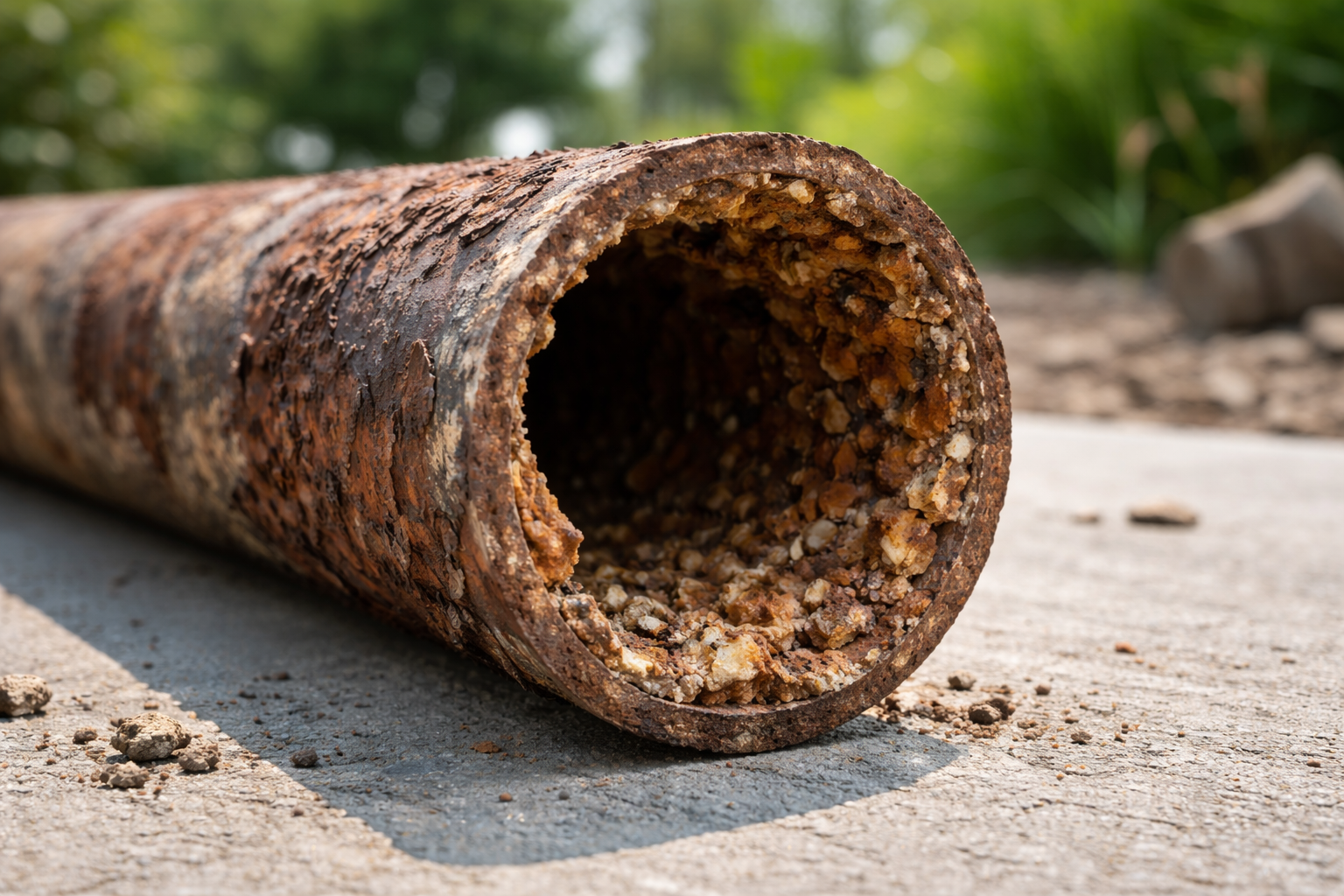
If your North County San Diego home was built before the mid-1980s, there is a strong chance it still has cast iron drain pipes somewhere in the system. Cast iron was the standard material for residential plumbing for most of the 20th century, and for good reason. It is strong, durable, and excellent at dampening the sound of water flowing through your walls. But cast iron does not last forever, and many San Diego homes are now reaching the point where these pipes are deteriorating from the inside out.
Understanding why cast iron fails and what your options are can help you act before a slow decline turns into a costly emergency.
A Brief History of Cast Iron Plumbing in San Diego
Cast iron was the go-to material for drain and sewer lines in homes built from the early 1900s through the early 1980s. According to Consumer Notice, cast iron pipes were designed with a life expectancy of 80 to 100 years. However, real-world conditions frequently shorten that timeline, with some pipes failing in as few as 25 years depending on environmental factors.
In North County San Diego, many neighborhoods in Oceanside, Carlsbad, Vista, Encinitas, and Escondido have homes from the 1960s and 1970s with original cast iron plumbing still in service. That puts those pipes at 45 to 65 years old, well into the window where deterioration becomes a serious concern.
Why Cast Iron Pipes Fail
Cast iron is tough, but it is not immune to the conditions it faces underground and inside your walls. Several factors contribute to its breakdown, and in San Diego, those factors are often working together.
Internal Corrosion from Sewer Gases and Hard Water
As wastewater moves through cast iron drain pipes, it produces hydrogen sulfide gas. When that gas meets moisture inside the pipe, it converts to sulfuric acid, which eats away at the metal from the inside. Over decades, this process thins the pipe walls and creates rough, pitted surfaces that catch debris and accelerate clogs.
San Diego's extremely hard water adds to the problem. The high mineral content in our water supply contributes to scale buildup inside drain lines, further narrowing the pipes and trapping waste material that accelerates corrosion.
External Corrosion from Soil and Moisture
Pipes buried beneath your slab or in your yard are also vulnerable from the outside. San Diego's clay-heavy soil retains moisture during the rainy season and can create corrosive conditions around the exterior of cast iron pipes. Over time, this dual attack from both inside and outside weakens the pipe until it cracks, leaks, or collapses entirely.
Age and Cumulative Wear
Even in ideal conditions, cast iron deteriorates with use. Every flush, every drain cycle, and every chemical that passes through the system contributes to the pipe's gradual breakdown. Homes that have used chemical drain cleaners regularly may see faster deterioration, as many of these products contain sulfuric acid or other corrosive compounds that damage metal pipes.
Warning Signs Your Cast Iron Pipes Are Failing
Cast iron pipe failure usually develops gradually, giving homeowners time to act if they know what to look for. Common signs include:
Slow drains throughout the house, especially on the ground floor, where cast iron is most commonly found. Frequent backups or clogs that keep returning despite clearing. Discolored water with a brown or yellowish tint when running drains. Foul sewer odors inside the home, which can indicate cracks or joint failures in the drain line. Patches of unusually green or wet grass in the yard, signaling an underground leak. Visible rust or flaking on any exposed cast iron pipes in the garage, basement, or utility area.
If you notice multiple signs on this list, it is time to have your pipes professionally inspected. A video camera inspection can reveal the interior condition of your drain lines without any excavation.
Replacement Options for San Diego Homeowners
When cast iron pipes reach the point of failure, repair is rarely the best long-term answer. The pipe walls are typically too thin and corroded to hold up to patching, and a repair in one section often leads to a failure in another. The main options include traditional cast iron pipe replacement, trenchless pipe lining with NuFlow technology, and full or partial repiping. Each approach has tradeoffs in terms of cost, disruption, and long-term durability. For a detailed comparison of traditional vs. trenchless methods, read our post on replacing cast iron pipes in older San Diego homes.
Do Not Wait for a Complete Failure
A cast iron pipe that collapses beneath your slab can cause sewage backups, foundation damage, mold growth, and repair bills that climb into the tens of thousands of dollars. The smartest move is to address deteriorating pipes before they reach that point.
If your North County San Diego home was built before the 1980s and you have not had your cast iron pipes inspected, now is the time. Clearwater Plumbing and Drains offers professional video pipe inspections and a full range of replacement options, from targeted repairs to trenchless NuFlow lining to complete repiping.
Call us today or book an appointment online to schedule an inspection and find out where your pipes stand.