Why Water Heaters Fail During San Diego Winters and What to Do About It
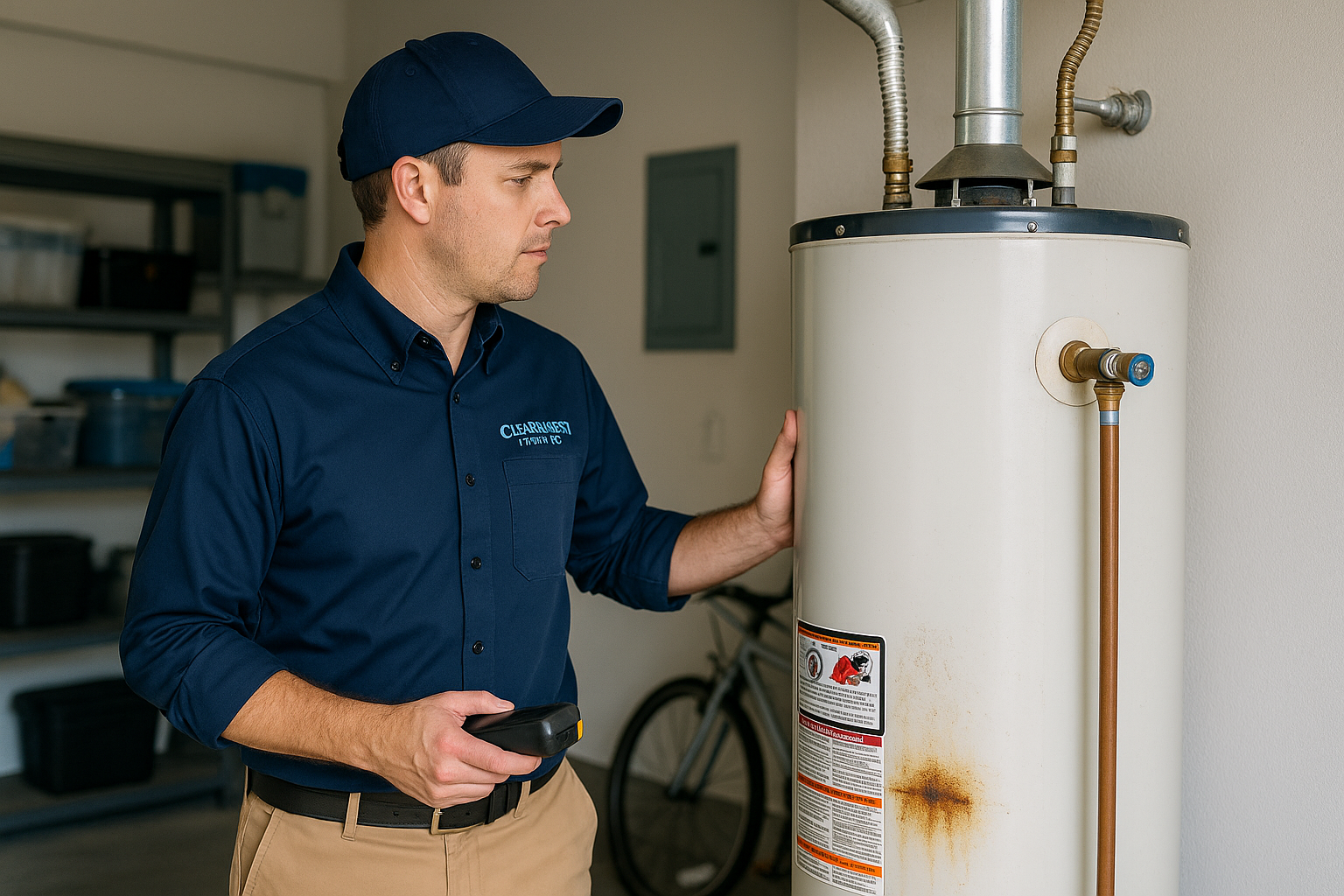
Most San Diego homeowners don't associate winter with plumbing problems. After all, we don't deal with frozen pipes or arctic temperatures. However, even our mild Southern California winters create the perfect conditions for water heater failures. December through February consistently see the highest rates of water heater breakdowns, often leaving families without hot water during the coldest mornings of the year.
Understanding why water heaters fail more frequently during winter months and recognizing the warning signs can help you avoid the inconvenience and expense of an emergency breakdown. This guide explains the science behind winter water heater stress and provides actionable steps to protect your system throughout the cooler months.
Why San Diego's "Mild" Winter Is Hard on Water Heaters
While we may not experience freezing temperatures, San Diego winters still create significant stress on water heating systems. The combination of cooler weather, increased demand, and year-round hard water exposure makes December through February the peak season for water heater failures in North County.
Colder Groundwater Temperatures
Even though air temperatures in San Diego remain relatively mild during winter (typically 55-70°F), groundwater temperatures drop significantly. Underground water supplies can be 10-15 degrees colder in winter than in summer months.
Your water heater must work considerably harder to heat 50-degree water to 120 degrees than it does heating 65-degree water to the same temperature. This increased workload stresses heating elements, burners, and the tank itself, often revealing weaknesses that developed over years of use.
Increased Hot Water Demand
Winter brings holiday gatherings, visiting family, and longer, hotter showers as people seek warmth on cool mornings. Your water heater that easily handled daily use suddenly faces extended run times and faster recovery demands.
For homes with traditional tank water heaters, this increased demand depletes the tank more frequently, forcing the system to reheat constantly. This continuous operation accelerates wear on components and increases energy consumption.
The Sediment Problem Gets Worse
San Diego's hard water (270-280 parts per million of dissolved minerals) causes sediment buildup in tank water heaters throughout the year. However, this problem intensifies during winter when your heater runs more frequently.
Sediment - primarily calcium and magnesium deposits - settles at the bottom of the tank, creating an insulating barrier between the heating element or burner and the water. During winter's increased demand, this barrier forces your system to work even harder, often leading to overheating and accelerated tank deterioration. Regular drain cleaning and maintenance can help prevent buildup throughout your plumbing system.
Thermal Stress and Expansion
Water heaters experience thermal expansion and contraction as they heat and cool. During winter, when the system cycles more frequently due to increased demand and colder incoming water, this expansion-contraction cycle intensifies.
Older tanks with existing corrosion or weak points may develop leaks as the metal expands and contracts repeatedly. What held together during lighter summer use can fail under winter's thermal stress.
Common Warning Signs Your Water Heater May Fail
Recognizing early warning signs allows you to address problems before they become complete failures. Pay attention to these indicators, especially as winter approaches or during the cooler months.
Inconsistent Water Temperature
If your hot water runs out faster than usual or you notice temperature fluctuations during showers, your water heater is struggling. This often indicates sediment buildup reducing tank capacity, a failing heating element, or thermostat issues.
In winter, many homeowners attribute lukewarm water to cold weather, but it's usually a sign your system needs professional attention.
Strange Noises
Rumbling, popping, or banging sounds from your water heater indicate sediment buildup on the tank bottom. As water tries to heat beneath the sediment layer, it creates steam bubbles that make these characteristic sounds.
These noises become more pronounced during winter when your system runs more frequently. Ignore them long enough, and the sediment will cause tank failure or heating element burnout.
Discolored or Rusty Water
Brown, rust-colored, or murky water from your hot water taps suggests internal tank corrosion. The combination of hard water minerals and increased winter usage accelerates corrosion in aging tanks.
If only your hot water is discolored (cold water runs clear), the problem is definitely your water heater, not your plumbing lines.
Water Pooling Around the Tank
Any moisture, dampness, or water pooling around your water heater's base requires immediate attention. Small leaks often start as slight dampness that worsens rapidly, especially during winter's increased demand. Professional leak detection services can identify the source before it becomes a major problem.
Check the temperature and pressure relief valve, drain valve, and inlet/outlet connections. If the tank itself is leaking, replacement is necessary.
Age of Your System
According to the U.S. Department of Energy, traditional tank water heaters typically last 8-12 years, while tankless systems can last 20+ years with proper maintenance. If your water heater approaches or exceeds its expected lifespan, winter's additional stress may be the final burden it faces.
Check the serial number on your water heater's manufacturer label - it typically includes the manufacture date. If you're uncertain about the age or can't locate the information, a professional plumber can help determine whether replacement is advisable.
Rising Energy Bills
If your energy bills increase significantly without corresponding changes in usage, your water heater may be losing efficiency. Sediment buildup and component wear force the system to run longer to heat water, consuming more energy.
Compare your current winter bills to the same months in previous years. A 20-30% increase despite similar usage patterns suggests water heater efficiency problems.
Pilot Light Issues (Gas Heaters)
If you have a gas water heater and the pilot light frequently goes out or won't stay lit, this indicates thermocouple problems, gas valve issues, or combustion problems. These issues often worsen during winter when the system runs more frequently.
Preventing Winter Water Heater Failures
Most winter water heater failures are preventable with proper maintenance and early intervention. These strategies help protect your system during the demanding winter months.
Schedule Professional Water Heater Flushing
Annual water heater flushing removes sediment buildup before it causes problems. For San Diego homeowners, fall (October or early November) is the ideal time for this maintenance, preparing your system for winter's increased demands.
Professional flushing involves draining the tank completely, removing accumulated sediment, and inspecting components for wear. This service typically costs $100-150 but extends your water heater's lifespan and improves efficiency by 20-30%.
Test the Temperature and Pressure Relief Valve
The temperature and pressure relief (TPR) valve is a critical safety component that prevents tank explosions if pressure or temperature becomes excessive. This valve should be tested annually.
To test, carefully lift the valve's lever and allow some water to discharge into the drain tube. If water doesn't flow freely or the valve leaks afterward, it needs replacement. Never skip this test - a failed TPR valve creates a serious safety hazard.
Inspect the Anode Rod
The sacrificial anode rod protects your tank from corrosion by attracting corrosive elements to itself instead of the tank walls. Over time (typically 3-5 years), the anode rod deteriorates and needs replacement.
Many homeowners never know about anode rods, but replacing this inexpensive component ($20-50 for the part) can extend your tank's life by years. This inspection requires draining the tank partially and is best performed during professional maintenance.
Adjust Temperature Settings
While it may be tempting to increase your water heater's temperature during winter, the ideal setting remains 120°F year-round. Higher temperatures accelerate sediment formation, increase energy costs, and create scalding risks.
If 120°F doesn't provide adequate hot water, the problem is likely insufficient tank size or capacity, not temperature settings. Consider upgrading to a larger tank or tankless system rather than raising the temperature.
Insulate Older Tanks and Pipes
If your water heater is in an unheated garage or utility area (common in North County homes), tank and pipe insulation reduces heat loss and improves efficiency. Water heater blankets cost $20-30 and can reduce standby heat loss by 25-45%.
Insulating the first six feet of hot water pipes leaving your tank also reduces heat loss and allows your system to maintain temperature more efficiently.
Install a Water Softener
San Diego's hard water is the primary cause of sediment buildup and accelerated water heater deterioration. Installing a whole-house water softener removes these minerals before they enter your water heater, dramatically extending its lifespan and improving efficiency.
While water softeners require upfront investment ($800-2,500 installed), they protect your water heater, plumbing, and appliances from hard water damage, typically paying for themselves within a few years through reduced repairs and energy savings.
Water Heater Repair vs. Replacement: Making the Right Choice
Deciding whether to repair or replace a failing water heater depends on several factors.
Consider Replacement If:
Your water heater is 8+ years old (traditional tank) or 15+ years old (tankless)
Repair costs exceed 50% of replacement cost
You've had multiple repairs in the past two years
Your tank is leaking (not from connections, but from the tank itself)
Your family has outgrown your current capacity
You want to upgrade to a more efficient system
Repair May Be Appropriate If:
Your water heater is less than 6 years old
The problem is a simple component (heating element, thermostat, valve)
The tank shows no signs of corrosion or leaking
Repair costs are minimal ($200-400)
The system has been well-maintained
The Tankless Advantage for San Diego Winters
Many North County homeowners choose winter water heater replacement as an opportunity to upgrade to tankless systems. These units offer significant advantages for San Diego's climate and water conditions.
Tankless water heaters heat water on demand rather than maintaining a tank of hot water, providing endless hot water regardless of demand. For families hosting holiday guests or homes with teenagers taking lengthy showers, tankless systems eliminate the "running out of hot water" problem entirely.
Additionally, tankless systems are less vulnerable to hard water damage than traditional tanks. While they still require annual descaling maintenance in San Diego, they don't accumulate sediment in a tank that can cause failure. Their 20+ year lifespan also means you'll likely never replace another water heater again.
Traditional Tank vs. Tankless Water Heater Comparison
FeatureTraditional TankTanklessLifespan8-12 years20+ yearsInstallation Cost$1,200-$2,500$2,500-$4,500Energy Efficiency60-70%80-99%Hot Water SupplyLimited by tank sizeUnlimitedSpace Required50+ gallons storageWall-mounted, compactRecovery Time30-60 minutesInstantHard Water ImpactHigh (sediment buildup)Moderate (requires descaling)Best For1-3 person homes, budget-consciousLarge families, long-term value
Our water heater services include both traditional tank replacement and tankless installation, with transparent pricing and expert recommendations based on your specific needs and budget.
What to Do When Your Water Heater Fails
Despite your best maintenance efforts, water heater failures can occur suddenly. Being prepared minimizes disruption.
Know Your Shut-Off Locations
Every household member should know how to shut off the water heater in an emergency:
For gas water heaters: Turn the gas control valve to "off" or "pilot." If you smell gas, leave immediately and call the gas company.
For electric water heaters: Turn off the circuit breaker controlling the water heater at your electrical panel.
Water supply: Locate the cold water shut-off valve (typically on top of the heater) and know how to close it to stop water flow if a leak develops.
Keep Emergency Contact Information Accessible
Store your plumber's contact information where all household members can access it. Water heater failures often occur early morning when family members are preparing for work and school - having emergency contact information readily available prevents delays.
Clearwater Plumbing and Drains offers emergency water heater services throughout North County San Diego, including same-day replacement when necessary. While we hope you never experience a crisis, we're prepared to respond quickly when you need us.
Frequently Asked Questions About Winter Water Heater Problems
How much does water heater replacement cost in San Diego?
Water heater replacement costs in North County San Diego typically range from $1,200-$2,500 for traditional tank water heaters and $2,500-$4,500 for tankless systems. The final cost depends on tank size, fuel type (gas or electric), installation complexity, and any necessary permit or code upgrade requirements. We provide transparent, upfront pricing with no hidden fees.
How often should I flush my water heater in San Diego?
Due to San Diego's hard water (270-280 ppm), we recommend flushing your water heater annually, ideally in fall before winter demand increases. Homes with particularly hard water or well water may benefit from twice-yearly flushing. Regular flushing removes sediment buildup, improves efficiency by 20-30%, and extends your water heater's lifespan.
What temperature should my water heater be set at during winter?
Your water heater should remain at 120°F year-round, including winter. This temperature prevents scalding, minimizes energy costs, and slows sediment formation. If your hot water seems insufficient at 120°F, the issue is likely tank capacity or efficiency, not temperature. Raising the temperature accelerates mineral buildup and increases energy consumption without solving the underlying problem.
Is tankless better than traditional for San Diego homes?
Tankless water heaters offer significant advantages for San Diego homes: unlimited hot water, 20+ year lifespan, 80-99% energy efficiency, and compact wall-mounted design. While initial costs are higher ($2,500-$4,500 vs. $1,200-$2,500), the long-term savings and performance make tankless ideal for most North County families, especially those with high hot water demand. Traditional tanks remain suitable for smaller households (1-3 people) or those prioritizing lower upfront costs.
Can hard water damage my water heater?
Yes, San Diego's hard water is the leading cause of premature water heater failure. Calcium and magnesium minerals create sediment that settles in your tank, reducing efficiency, causing overheating, and accelerating corrosion. Hard water can shorten a water heater's lifespan from 12 years to 8 years or less. Installing a water softener and scheduling annual flushing protects your investment and improves performance.
Schedule Your North County Water Heater Inspection
The worst time to discover your water heater has failed is during a cold December morning when you're rushing to get ready for work or while hosting holiday guests. Proactive maintenance and early replacement of aging systems prevent these inconvenient and costly emergencies.
For North County San Diego homeowners in Oceanside, Carlsbad, Encinitas, Vista, San Marcos, and surrounding communities, Clearwater Plumbing and Drains provides comprehensive water heater services. We offer professional maintenance, repair, and replacement with transparent pricing and our 100% Satisfaction Guarantee.
Schedule your water heater inspection before winter arrives. A small investment in maintenance now prevents major expenses and disruptions later.